
Why measure agricultural supply chain risks?
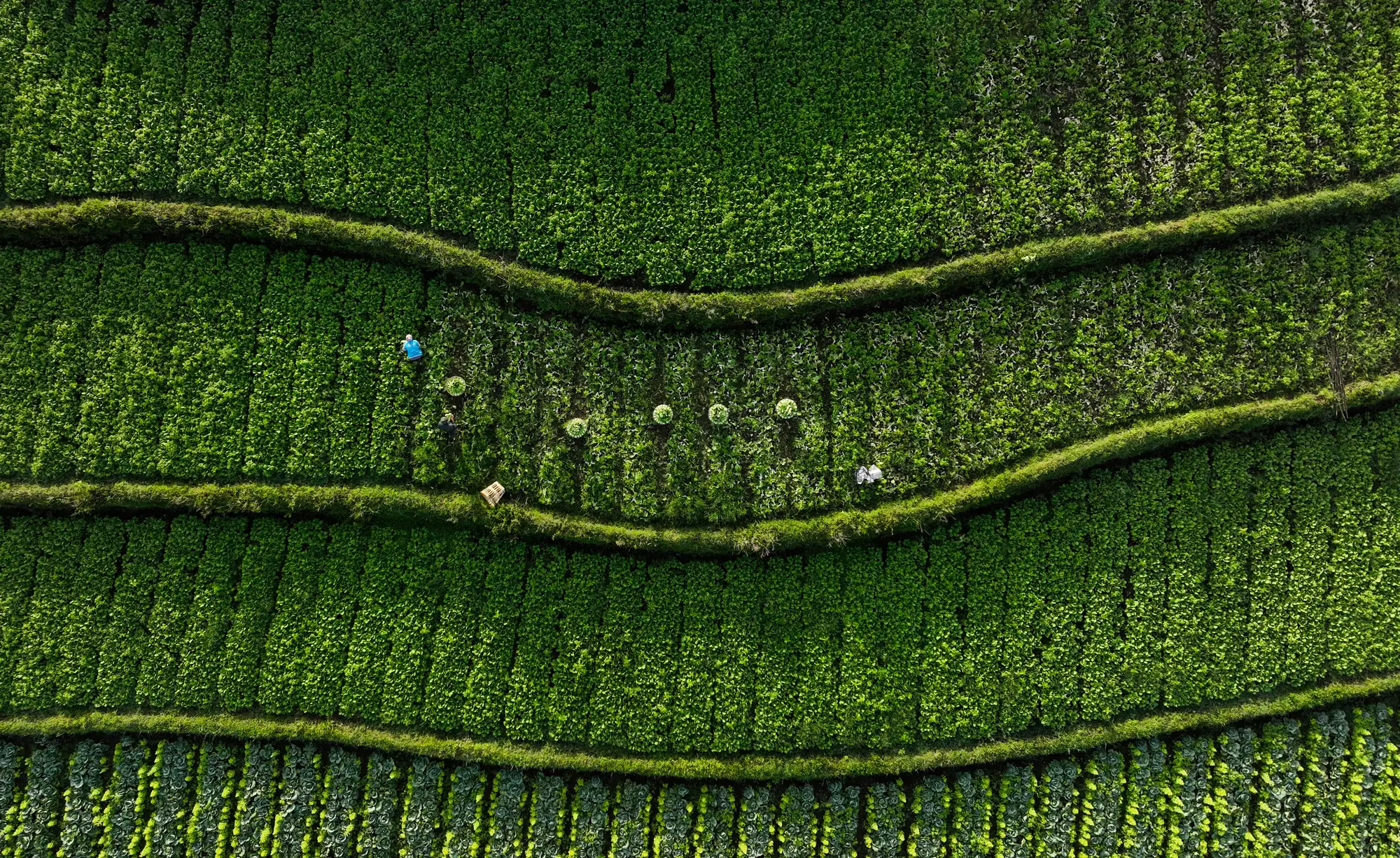
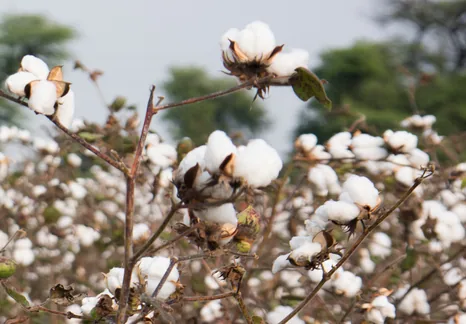
Agricultural supply chains connect many millions of farmers (source, opens in a new tab) around the world to the products we use every day: from coffee, cocoa, and tea to rice, and cotton. Speaking directly to farmers can help companies understand what is happening on the ground.
Being part of these supply chains can bring important benefits for farmers, including access to income, markets, buyers, and other forms of support. But it can also expose farmers and workers to risks that are difficult to see, and even harder to measure.
Risks also change over time and by context. Prices, seasons, buyers, policy, geography, and farmer characteristics can all shape what farmers and workers experience. Good risk measurement therefore requires more than simply asking questions. It means thinking carefully about what to measure, who to ask, when to ask, where to ask, how often to ask, and how to create the conditions for honest answers.
There is no single method that will work for every supply chain or risk. This toolkit shares what we learned from testing the List Experiment as one approach to measuring sensitive risks, using a lean approach across value chains and countries. A List Experiment is an indirect survey method that helps measure sensitive behaviors while protecting respondents’ privacy and encouraging honest answers. Our aim is to make the method more accessible and share practical lessons on when it can, and cannot, add value.
Organizations can use this toolkit to identify and better understand human rights risks within their agricultural supply chains, informing more targeted policies, interventions, and monitoring practices to strengthen corporate due diligence.
Where to start
For a given supply chain and context, work through three questions:
-
Which risks are you concerned about?
Start with the risks most relevant to the supply chain, commodity, and people involved. Agricultural supply chains face a wide range of risks, including human-related, physical, and environmental risks. While some risks can be understood through people’s experiences, behaviors, and perceptions, others, such as soil degradation, water contamination, or deforestation, require physical measurements, environmental assessments, or other forms of monitoring.
-
Which might be affected by social desirability bias?
A risk is more likely to be under-reported if it is illegal, breaches buyer or certification standards, carries stigma, or could have consequences for the person answering. For these risks, direct questions may not provide reliable data.
-
Do you know whether the bias is present?
Often you won’t, particularly in a new population or context. Start with contextual research to understand local norms, cultural sensitivities, and whether respondents may be reluctant to discuss the risk openly. Then, measure the risk both ways: use a List Experiment alongside a direct verification question. Comparing the two can show whether social desirability bias is present and whether a List Experiment is warranted in future rounds. See Pair List Experiments with Direct Verification Questions.
Who is this for?
This resource is designed for researchers, sustainability and responsible-sourcing teams, and companies seeking to better understand human rights risks within agricultural supply chains.
This toolkit focuses specifically on human-related risks that can be measured through respondent surveys, particularly sensitive behaviors and experiences that may be under-reported through direct questioning. It is not intended to provide a comprehensive assessment of all agricultural supply chain risks.
How to use this microsite
A practical guide to better listening. This microsite has three main components:
-
The List Experiment
An introduction to what the List Experiment is and how it works.
Explore The List Experiment -
The Toolkit
Practical guidance on designing and implementing the List Experiment, including direct and indirect questioning.
Explore The Toolkit -
2026 Case Study
An example of where the list methodology was implemented, including the results and key learnings.
Explore 2026 Case Study

Sign up for updates from 60 Decibels on this toolkit and our wider agriculture work.
Thank you, we’ll be in touch soon.